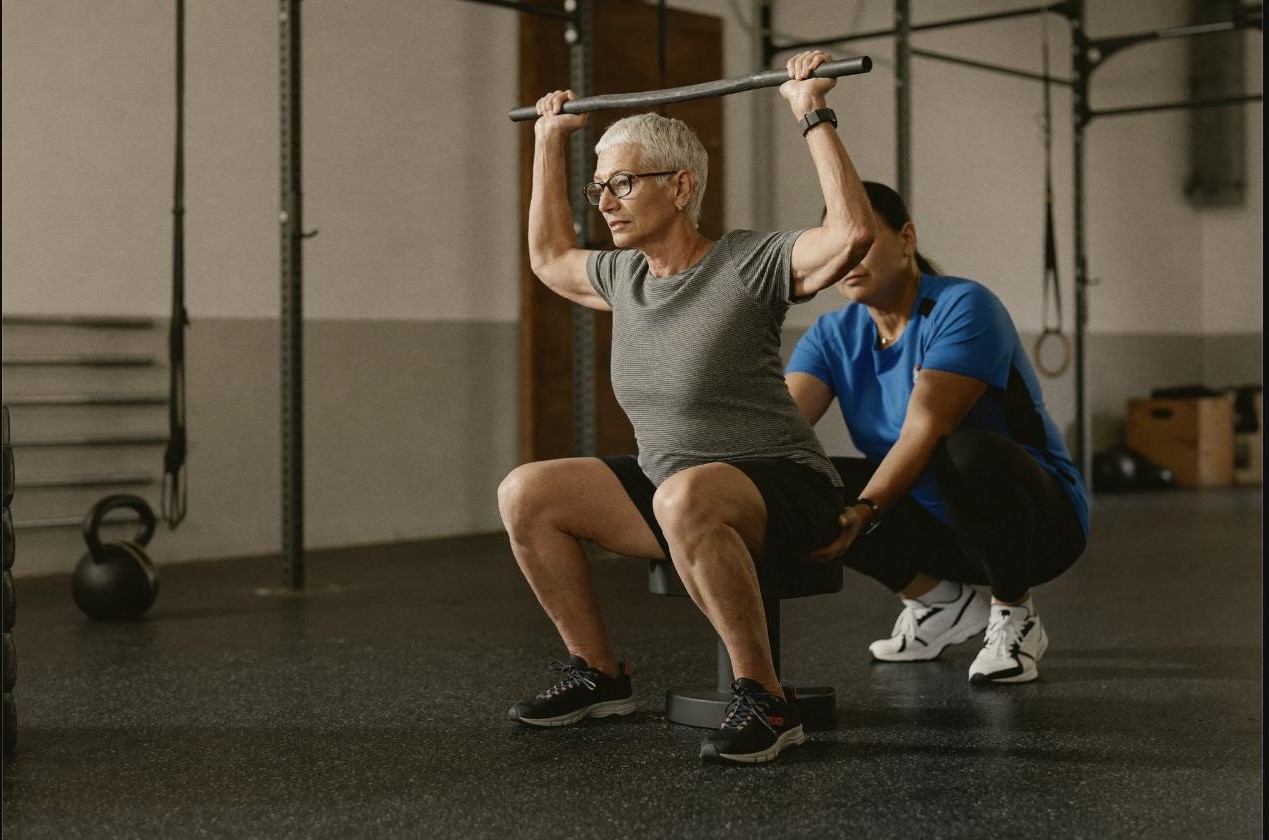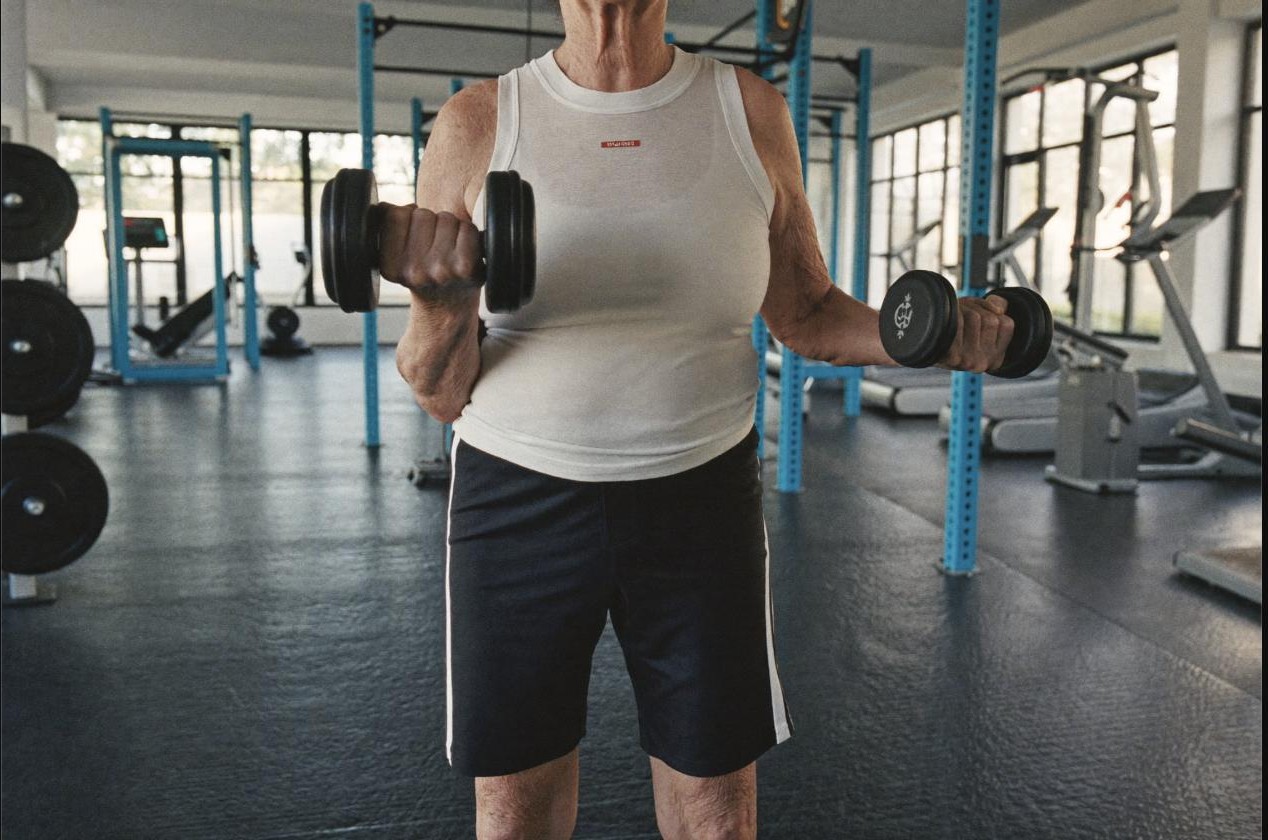
Key Takeaways
- A study of 3,659 older adults found higher muscle mass index was linked to significantly lower all-cause mortality, independent of BMI or cardiovascular risk factors.
- Because BMI can't distinguish fat from muscle, it may obscure health risk in older adults — muscle mass appears to be the more meaningful signal.
- Muscle is metabolically active tissue tied to glucose regulation, fall risk, and functional independence — not just strength or appearance.
Most people think about muscle in terms of how it looks. The research on aging and mortality suggests we should be thinking about it in terms of how long — and how well — it helps us live. Unlike many health metrics that are difficult to influence, muscle mass is one of the most directly trainable tissues in the body, which makes the research connecting it to longevity especially actionable.
This distinction — muscle as a health marker versus muscle as an aesthetic goal — matters because it changes who should be paying attention to it. The research below isn't about bodybuilding or athletic performance; it's about a specific, measurable tissue that predicts survival in the general population, including people with no interest in building visible muscle at all.
The Study: More Muscle, Lower Mortality — Regardless of BMI
In a study published in The American Journal of Medicine, researchers Srikanthan and Karlamangla analyzed data from the National Health and Nutrition Examination Survey III (NHANES III), tracking all-cause mortality through 2004 in 3,659 adults aged 55 and older (65 and older for women). Skeletal muscle mass was measured using bioelectrical impedance, and each participant's muscle mass index was calculated as muscle mass divided by height squared — a method analogous to how BMI is calculated, but isolating muscle tissue specifically rather than total body mass.
The finding: participants with a higher muscle mass index had significantly lower all-cause mortality — and this held true regardless of their BMI or existing cardiovascular risk factors. In other words, two people with the same BMI could have meaningfully different mortality risk depending on how much of that mass was muscle versus fat.
Why Muscle Might Matter More Than BMI in Older Adults
BMI has long been the default screening tool for weight-related health risk, but it has a well-documented blind spot: it can't distinguish between fat mass and muscle mass, two tissue types with very different metabolic roles. The researchers behind this study specifically noted that BMI has not been associated consistently with higher mortality in older adults — a pattern sometimes called the "obesity paradox" — and proposed that this inconsistency may be explained by BMI's inability to separate the protective effect of muscle from the risks associated with excess fat.
Consider two 65-year-olds with an identical BMI of 27. One carries that weight mostly as muscle from a lifetime of physical activity and resistance training; the other carries it mostly as fat, with minimal muscle mass. A BMI-only screening treats them identically — both flagged as "overweight," both given the same generic risk category. The muscle mass index approach used in this research would separate them clearly, and according to the mortality data, that distinction isn't cosmetic — it tracks with meaningfully different health outcomes.
Muscle as a Metabolic and Functional Reserve
Skeletal muscle isn't inert tissue that just moves your joints — it's your body's largest site of glucose disposal, meaning more muscle mass generally supports better blood sugar regulation. It's also directly tied to functional capacity: the ability to get up from a chair, catch yourself during a stumble, or carry groceries up stairs — all of which become significant predictors of independence, hospitalization risk, and quality of life as people age.
This "functional reserve" framing matters because it explains why muscle mass predicts outcomes beyond just mortality statistics. A fall that would be a minor stumble for someone with adequate strength reserve can become a hip fracture — and the cascade of complications that often follows one — for someone without it. The same applies to recovering from illness or surgery: patients with more baseline muscle mass generally tolerate the forced inactivity of hospitalization better and rebuild function faster afterward, because they're not starting from as thin a margin.
Muscle isn't just about how you perform in the gym. It's a reserve you draw on for every physical demand of daily life — and research suggests it's protective in ways BMI alone can't capture.
Muscle Loss vs. Fat Gain: Why the Scale Doesn't Tell the Whole Story
Body weight on its own conflates two processes that can be happening simultaneously in opposite directions: age-related muscle loss and gradual fat gain. Someone whose weight has stayed stable for a decade might assume nothing has changed, when in reality they may have lost several kilograms of muscle while gaining a similar amount of fat — a shift invisible on a standard scale but significant for the mortality outcomes this research is measuring. This pattern, sometimes referred to as "normal weight obesity" or, in more advanced cases, "sarcopenic obesity," is part of why researchers increasingly argue that body composition, not body weight, is the more clinically meaningful number to track over time.
This has a direct practical implication: if you haven't checked your body composition in several years — even if your weight hasn't changed — you may not actually know whether your muscle mass has been quietly declining. Simple field measures like grip strength, a sit-to-stand test, or periodic bioelectrical impedance scans can catch this shift long before it becomes noticeable in daily function.
Grip Strength: A Fast, Research-Backed Proxy
Because directly measuring muscle mass requires specialized equipment, much of the mortality research in this space has also looked at grip strength as an accessible proxy for overall muscular health. A narrative review published in the European Journal of Internal Medicine examined muscular strength as a predictor of mortality across multiple large cohort studies, concluding that low grip strength consistently tracks with elevated all-cause and cardiovascular mortality risk — reinforcing the broader pattern seen in direct muscle mass measurements.
Why Muscle Mass Naturally Declines With Age — And What To Do About It
Left untrained, skeletal muscle mass and strength decline progressively with age, a process that can eventually meet the clinical threshold for sarcopenia. The encouraging part of the research is that this trajectory isn't fixed: muscle tissue remains responsive to resistance training well into older age, and structured strength programs are consistently identified as the most effective intervention for building it back. We go deeper into the mechanics of age-related muscle loss and how to reverse it in our companion article on strength training and sarcopenia.
What This Means for How You Should Actually Train
If muscle mass carries independent protective value, the practical implication is that weight loss alone isn't necessarily a health-positive goal for older adults — a calorie deficit pursued without resistance training risks losing muscle alongside fat, which the research above suggests may work against the very outcome most people pursuing weight loss are ultimately after: living longer and staying functionally independent. Pairing any weight-management goal with resistance training, and prioritizing adequate protein intake to support muscle retention, is a more evidence-aligned approach than pursuing weight loss as an end in itself.
The Bottom Line
If longevity is the goal, muscle mass deserves a place alongside — or arguably ahead of — the metrics people typically track, like weight or BMI. It's measurable, it's protective independent of body weight, and unlike many risk factors, it responds directly to consistent resistance training.
FAQ
Does muscle mass really predict how long you live?
A 2014 study in the American Journal of Medicine analyzing NHANES III data on 3,659 older adults found that higher muscle mass index was linked to significantly lower all-cause mortality, regardless of BMI or cardiovascular risk factors.
Is muscle mass more important than BMI for health?
For older adults specifically, research suggests muscle mass may be a more meaningful health marker than BMI, because BMI cannot distinguish between fat mass and muscle mass — two tissues with very different metabolic effects on mortality risk.
Can you build muscle mass later in life?
Yes. Skeletal muscle remains responsive to resistance training well into older age, and research on sarcopenia interventions consistently identifies resistance training as the most effective method for building and preserving muscle mass and strength.
Sources
- Srikanthan, P., & Karlamangla, A. S. (2014). Muscle Mass Index As a Predictor of Longevity in Older Adults. The American Journal of Medicine, 127(6), 547-553.
- PubMed listing — Srikanthan & Karlamangla, 2014.
- Muscular strength as a strong predictor of mortality: A narrative review. European Journal of Internal Medicine.
Want a plan that actually builds and protects muscle?
Book a performance assessment and get strength programming built around your goals and your timeline.
Book a Free Discovery Call